Beyond a daily routine in early childhood settings, naptimes are a vital part of supporting healthy brain development, emotional wellbeing and learning outcomes for young children. For those wanting to thrive as an educator in early childhood education settings, understanding the science behind naptime can enhance your ability to create nurturing, effective early learning environments.
At Practical Outcomes, our training is designed to equip educators with the knowledge and confidence to support every part of a child’s development (from play to rest).
Ready to become the kind of educator who truly supports every part of a child’s development? Discover how our Early Childhood Education courses can help you make a lasting impact.
Why Sleep Matters for Young Children
The extensive research around sleep clearly shows that quality sleep plays a critical role for humans at every age and stage. It can impact memory consolidation, emotional regulation, and physical development.
For children in their first five years of life, their brains are undergoing the most critical and rapid period of development they will have in their lives! Sleep is crucial for cognitive development in early childhood and provides the downtime needed to process the flood of new experiences and information they encounter each day.
Naptime and Cognitive Development
Daytime sleep isn’t just a break in the routine – it’s a crucial opportunity for young brains to process and retain what they’ve learned. During sleep, the brain strengthens neural pathways, consolidates memories, and supports emotional regulation.
For children in early learning settings, this means naps can directly influence how well they concentrate, problem-solve, build emotional resilience and manage social interactions. Without adequate rest, children may struggle with transitions, show signs of emotional dysregulation, or have difficulty engaging in learning experiences.
As an early childhood educator, protecting rest time and building positive nap routines is not just beneficial: it’s essential.
Recognising Signs of Sleep Needs
Every child is different and won’t necessarily need or show the same cues for sleep. So it is up to the educator to understand the indicators for tiredness (and overtiredness). These signs may include children who become quiet and disengaged, daydreaming or paying less attention to things that usually interest them. Others may experience physical symptoms such as clumsiness, tripping more, or dropping objects.
Children might also become more sensitive to noises, lights or touch. A usually relaxed child could suddenly find small changes in their environment overwhelming. Delayed reactions can be another cue. Tired children may take longer to respond to questions or follow simple instructions. Some children will need more comfort and seek out extra cuddles and reassurance. This can also include reaching for a comfort item such as a soft toy or blanket.
And although we may assume that a tired child will want to slow down, in some cases they may even become more hyperactive. Some behavioural issues to look out for here can include loud or erratic behaviour, having trouble sitting still, or having sudden emotional reactions to small things. The more familiar you become with the child’s sleepy and overtired cues, the more easily you can act on them and provide the child with rest or downtime.
Sleep Needs Vary by Age and Child
Keep in mind that children’s sleep times and need for naps are not “one size fits all.” For example, while some 2-year-olds still need a major chunk of sleep in the daytime nap, others are starting to fight their nap or be all done with naps. This is normal and is often related to the child’s own growth and developmental timeline.
Children’s sleep needs vary by age and as a child matures and develops, the quantity and quality of the sleep needed changes. Pay attention to the family’s report of what has been going on at home, as well as the child’s own cues.
For children who are no longer napping, providing a quiet time with calming activities also helps promote each child’s wellbeing, teaching mindfulness and allowing their bodies and minds to rest and recharge during the day.
Creating an Effective Sleep Environment
It’s one thing to recognise signs of tiredness in children, but can be another challenge to get them to be willing to sleep!
Some tips for supporting optimal naptime routines include:
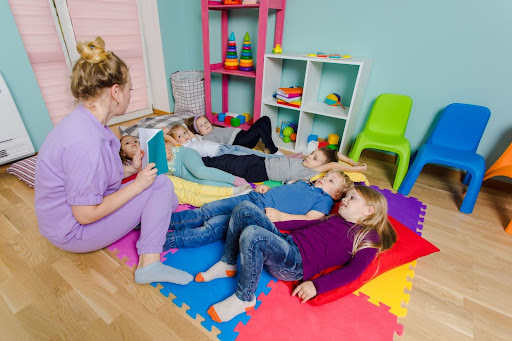
- Using calming rituals like stories or soft music
- Maintaining a quiet, darkened space
- Encouraging consistent sleep times
- Supporting children in transitioning from active play to rest
A sleep environment that meets children’s emotional and sensory needs doesn’t just promote better rest; it fosters trust, supports self-regulation, and lays the groundwork for healthy lifelong sleep habits. As an educator, your ability to create this space is a powerful tool for learning and wellbeing.
Supporting Children Who Resist Sleep
Even with a great daily routine and sleep environment, there will be kids that just won’t take a nap. And that’s okay. This might be due to sleep anxiety/fear or refusal, which can be caused by separation anxiety, being overtired, or just a desire for more independence/control.
As a teacher, you can give them choices and ease their anxiety, like telling them to lie down or just do a quiet activity. They need to feel like they have some control. You can also acknowledge their feelings but remind them calmly that this is what we do at nap time.
Don’t label kids as “bad sleepers”, instead, offer encouragement and praise small victories. If your child was able to lie down and rest quietly for 5 minutes today, they’ll be more likely to feel calm tomorrow. In the long run, with a lot of patience and consistency, your kids will come to realise that nap time is safe, comforting, and an expected part of the day.
What This Means for Early Childhood Educators
As an educator, understanding the importance of sleep means you’re better prepared to:
- Build partnerships and communicate the value of naptime to families
- Advocate for balanced daily routines in care settings
- Create learning plans that respect children’s sleep needs
By respecting the role of naptime and the importance of sleep, you’ll be helping young children grow, learn and thrive not just during their hours spent in your care, but for life.
Interested in a rewarding career supporting children’s development? Contact Practical Outcomes today to find out how our Early Childhood Education courses can help you make a lasting impact.


![Sleeping Beauties [Top 5 Safe Sleep Tips in Child Care]](https://practicaloutcomes.edu.au/wp-content/uploads/shutterstock_351488333.jpg)